
We focus on real-world stability, polling behavior, key chatter, firmware, and which boards are actually worth buying.
Qwertykeys NEO80
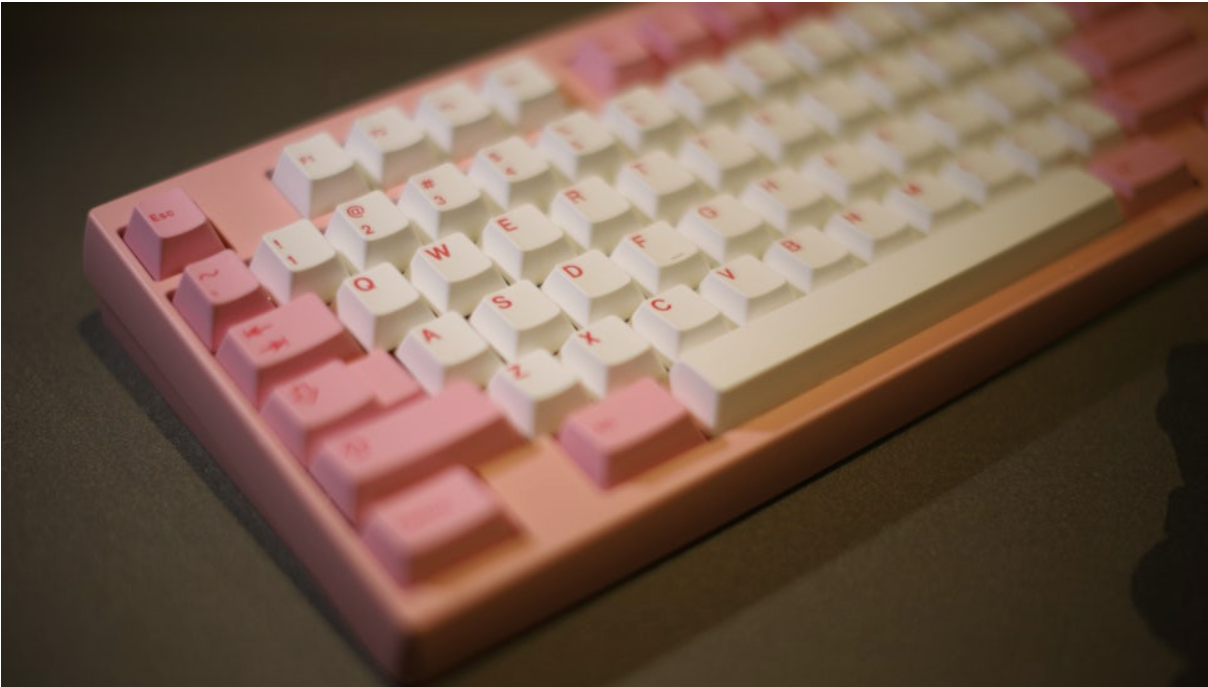
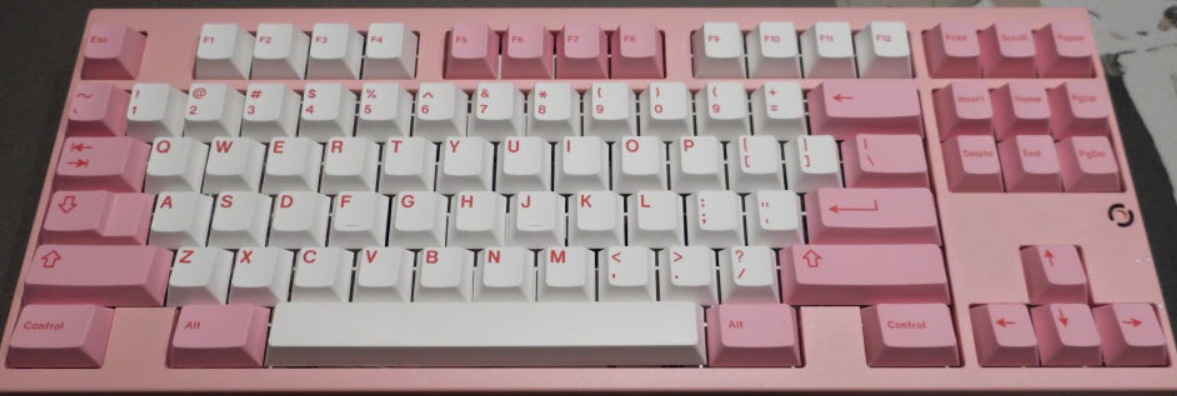
If you’re getting into customs, NEO80 is the sensible starting point. It nails assembly and tuning without weird firmware caveats. For pure gaming I’m moving away from traditional mechanicals, but as a custom it’s easy to recommend.
MadLions NANO68 & NANO68 Pro
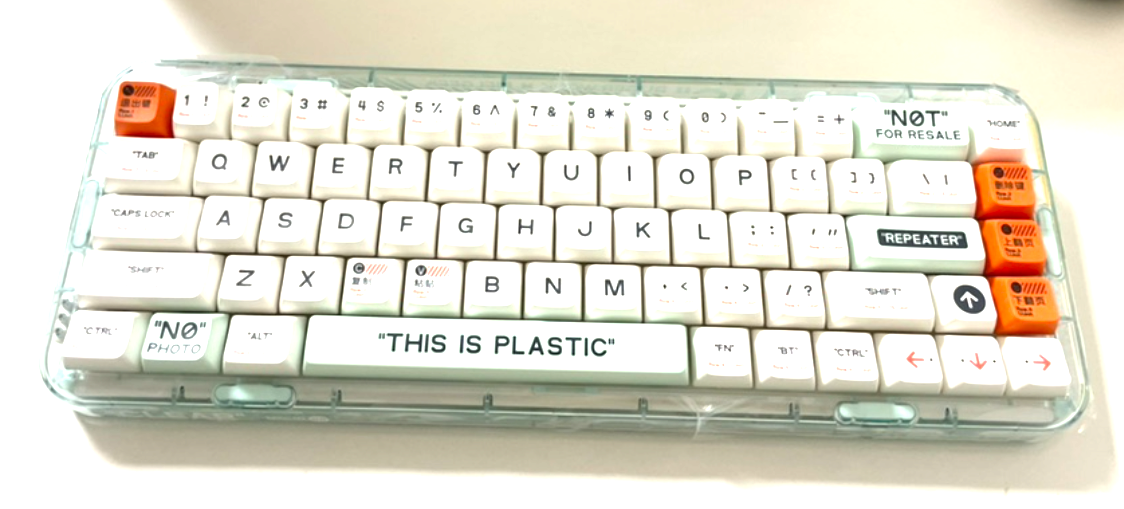
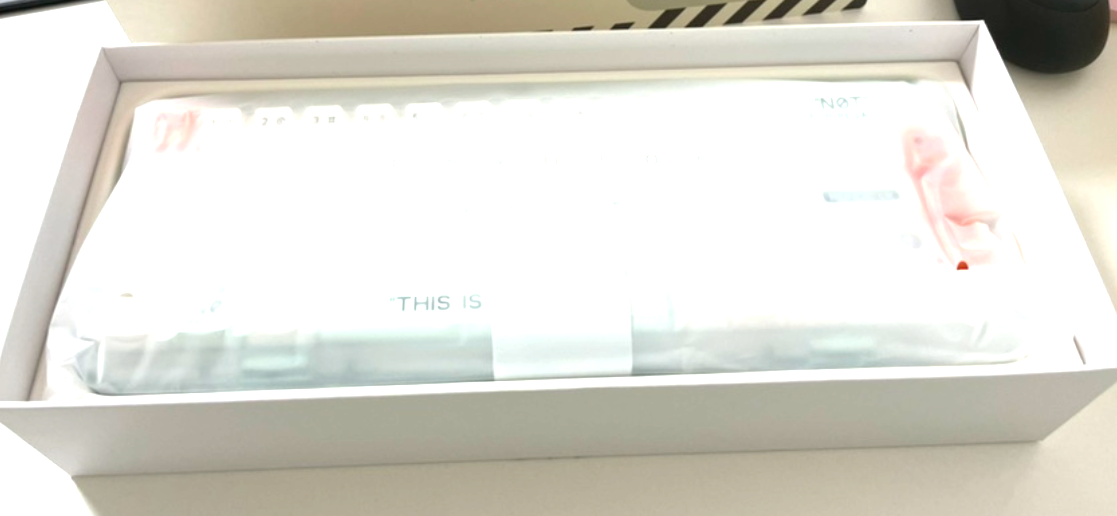
NANO68/Pro costs a touch more than ACE, but real-world performance is basically the same—pick the design you prefer. In testing, MCHOSE’s web driver felt a bit more stable; if clone-style designs bug you, go ACE.
NuPhy Air60 HE
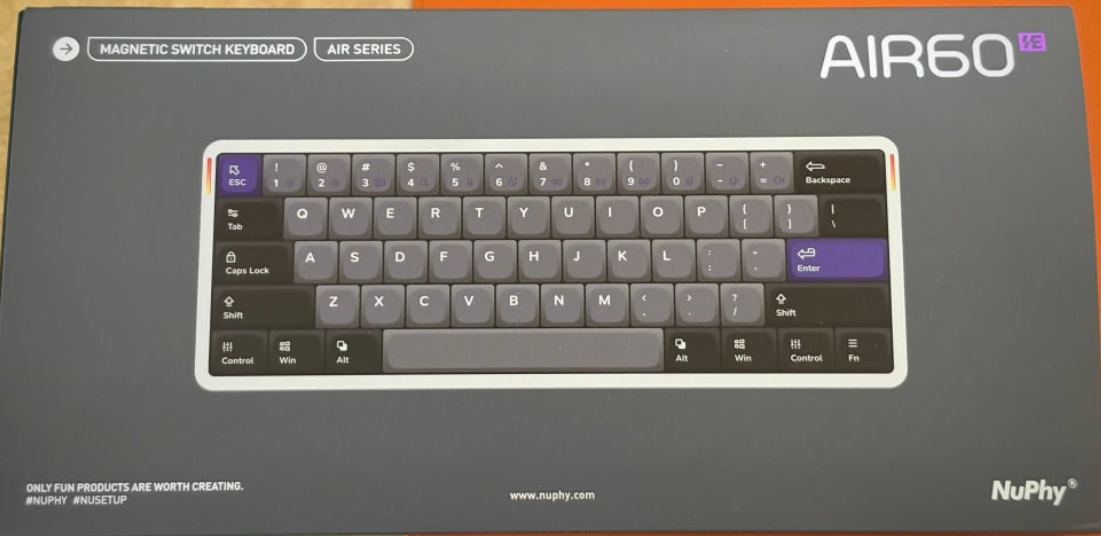
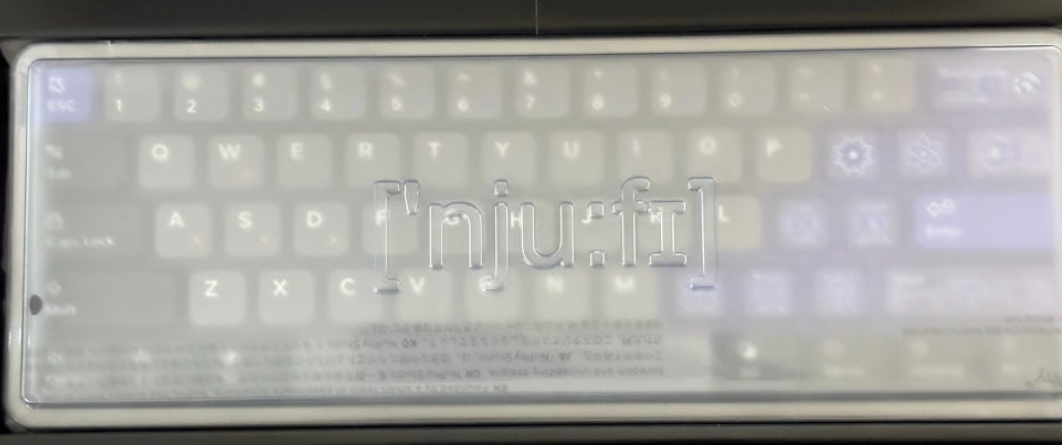

Around $160, and it’s the low-profile board to beat. Auto-calibration isn’t in yet, but everything else is dialed for daily use and gaming.
Wooting 80HE
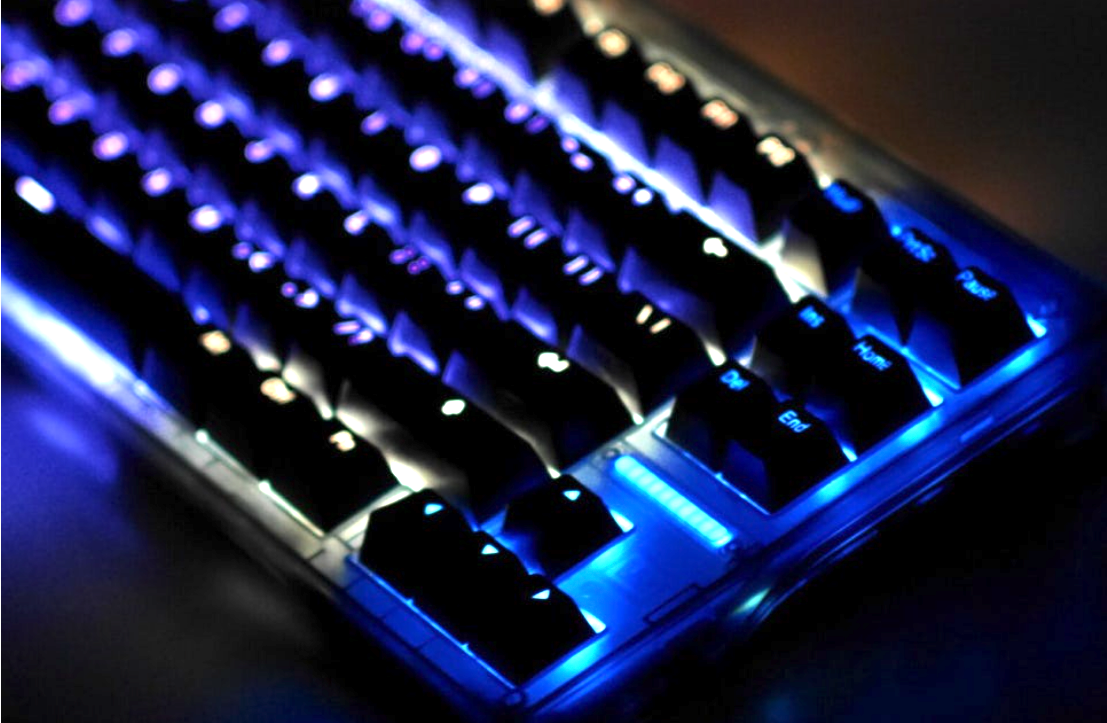
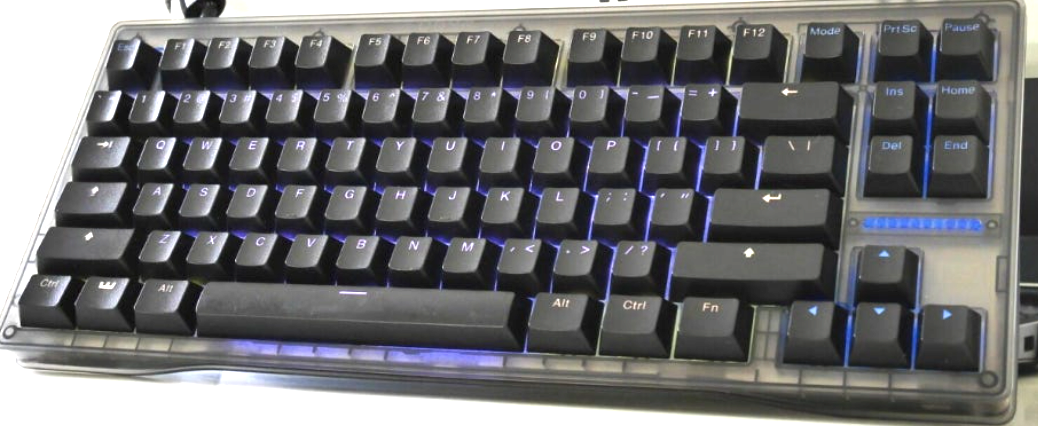
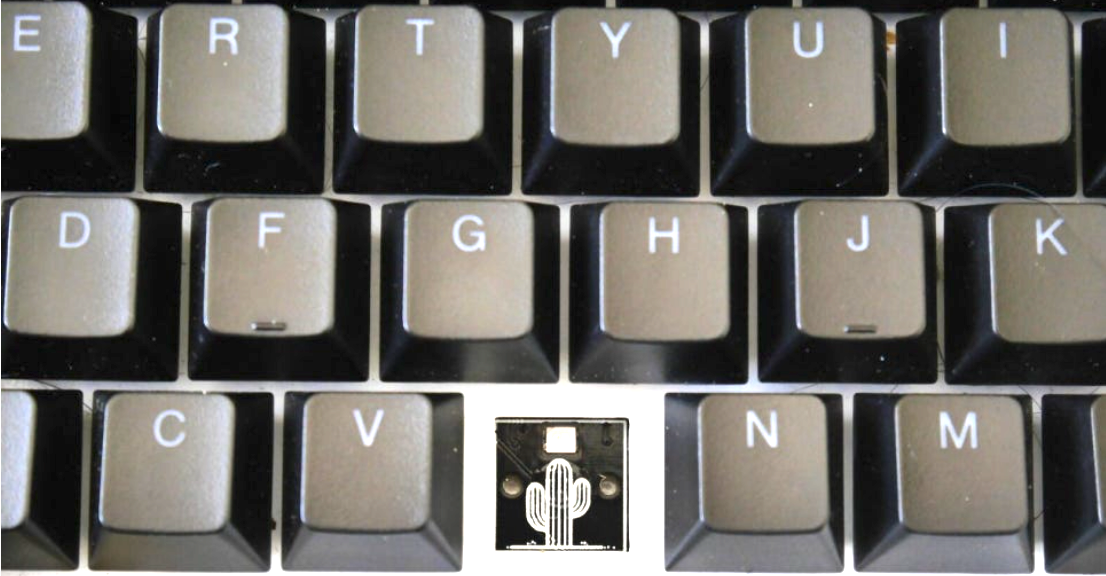
Earlier tests showed ~4K effective polling vs. some 8K competitors, but frequent firmware updates and stability keep it top-tier. Pricey, yes—reliable, also yes.
Razer Huntsman V2 Linear

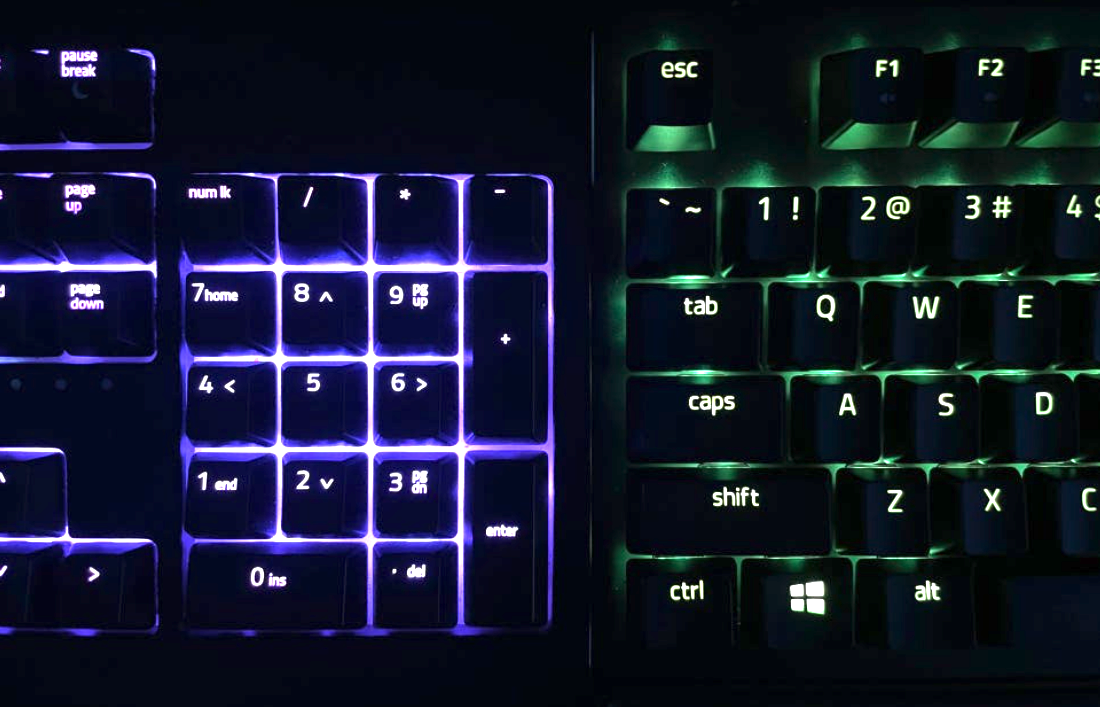
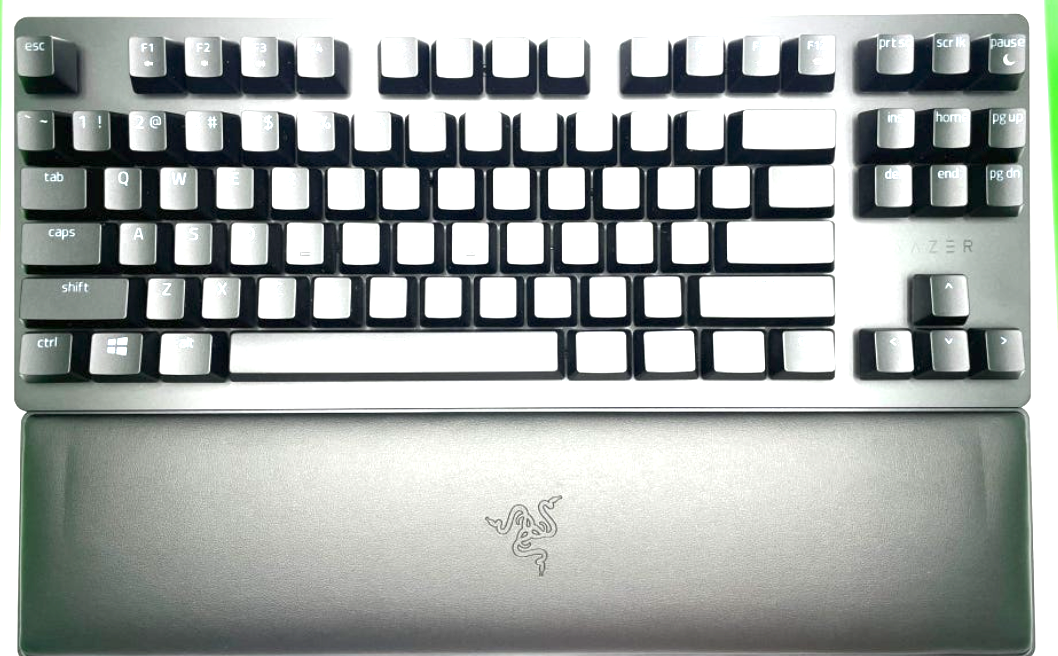
- Optical switches → almost no key chatter
- Quieter than typical mechanical boards
- Full-size model performs like true 8K
- Heavier stock switch weight
- TKL variant underperforms (acts closer to ~1K)
Everglide SU68
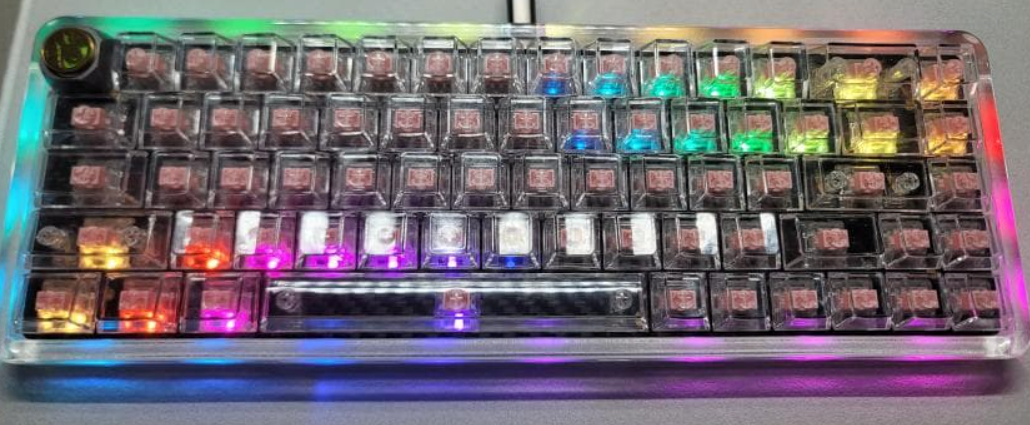
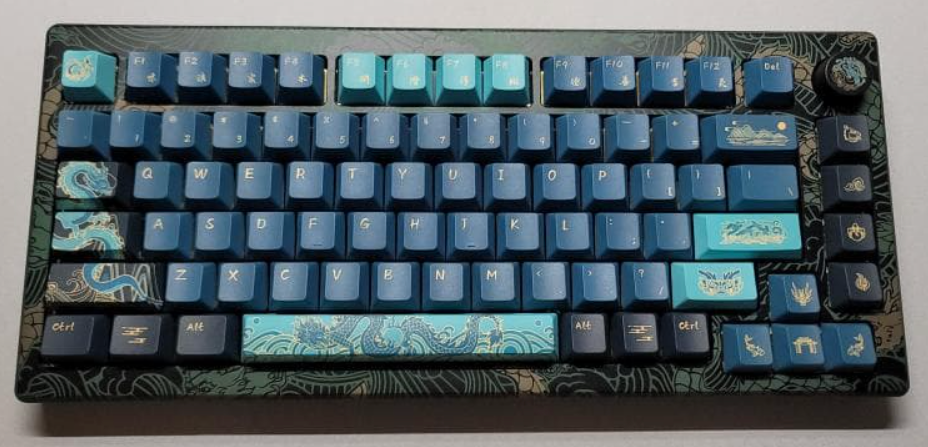

Launched too high (~$250), then dropped to ~$200. After updates it’s worth shortlisting. 65% full-aluminum, MM Studio solution. Analog dead-zone is a bit wide; no web driver—updates are manual.
Best keyboards of 2025—Wooting 80HE, NuPhy Air60 HE, Qwertykeys NEO80, Everglide SU68, and more. Stability and real performance first.
 GearFlow Lab
Leave a comment