Hall-Effect vs Optical vs Mechanical (2025): The Right Switch Tech for FPS & Rhythm Gamers
If you’re torn between buttery-smooth Hall-effect, “no-chatter” optical, and classic mechanical feel—you’re not alone. Let’s cut through the buzzwords and pick the right tech for your games.
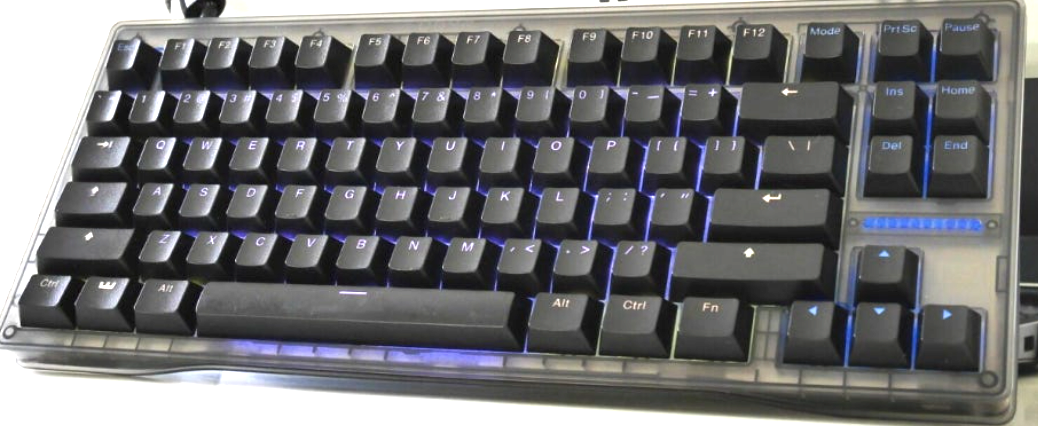
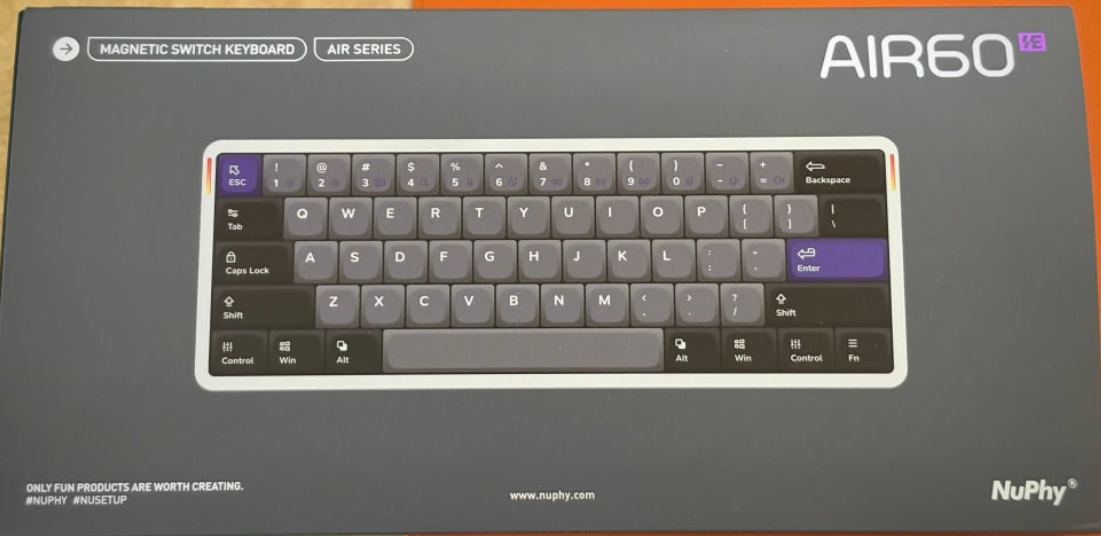
Wooting 80HE — Hall-effect, rapid-trigger king for competitive play.Hot-swap support and mature firmware: stability first.NuPhy Air60 HE — low-profile Hall-effect that’s surprisingly fast.Qwertykeys NEO80 — custom-leaning mechanical with great typing feel.Razer Huntsman V2 Linear — mature optical with strong latency and low chatter risk.Great analog tuning when you want finer control.
What actually matters for gamers
Latency consistency: not just a low “best case,” but no spikes under multi-key holds.
NKRO behavior: rollover that survives real chords (WASD + Space + Shift/Ctrl + numbers).
Chatter risk: double-types from contact bounce or firmware timing.
Firmware maturity: rapid-trigger, analog thresholds, stable drivers.
Layout: rhythm prefers full-size; FPS leans TKL/60–65% for mouse room.
Hall-Effect (magnetic)
Hall boards sense magnet position—no metal contact to bounce. That unlocks rapid-trigger and tunable actuation points. The trade-off? Firmware matters a lot; cheap models can act weird under heavy chords. Mature designs (e.g., Wooting 80HE) nail stability while keeping esports-grade speed.
Optical
Optical switches break a light beam, so classic chatter is rare. Latency is solid on good firmware, and full-size layouts (e.g., Huntsman V2 Linear) stay popular with rhythm gamers for predictable timing. Just note: some TKL variants don’t match their full-size siblings for raw performance.
Mechanical (MX-style)
For pure typing joy or custom builds, mechanical is still king. For sweaty ranked nights, though, contacts can age into chatter and some boards have stricter rollover. Great for casual FPS; for rhythm or ultra-low latency, Hall/optical usually win.
Quick home tests (5 minutes)
Rollover: hold six keys, then add a seventh. Any misses or delay?
Rapid-tap: spam one key for 20s; watch for double entries.
Polling sanity: start 1000 Hz; if clean, step to 2000/4000/8000 Hz.
Use rear I/O directly; avoid unpowered hubs.
Which tech should you pick?
Use-case
Best pick
Why
Watch-outs
Competitive FPS
Hall-effect (e.g., Wooting 80HE)
Rapid-trigger, stable analog thresholds
Good firmware; higher price
Rhythm games
Optical full-size or proven Hall
Low chatter risk; steady timing
Check NKRO & real polling
Typing-first + casual games
Mechanical (e.g., NEO80)
Best feel/sound, endless tuning
Potential chatter; rollover limits
Portable/low-profile
Hall-effect LP (NuPhy Air60 HE)
Fast, slim, travel-friendly
Different feel vs full height
Pro tip: After firmware updates, re-test rapid-trigger/actuation thresholds. Tiny changes can remove “pseudo-chatter” and smooth multi-key timing.

 GearFlow Lab
Leave a comment